
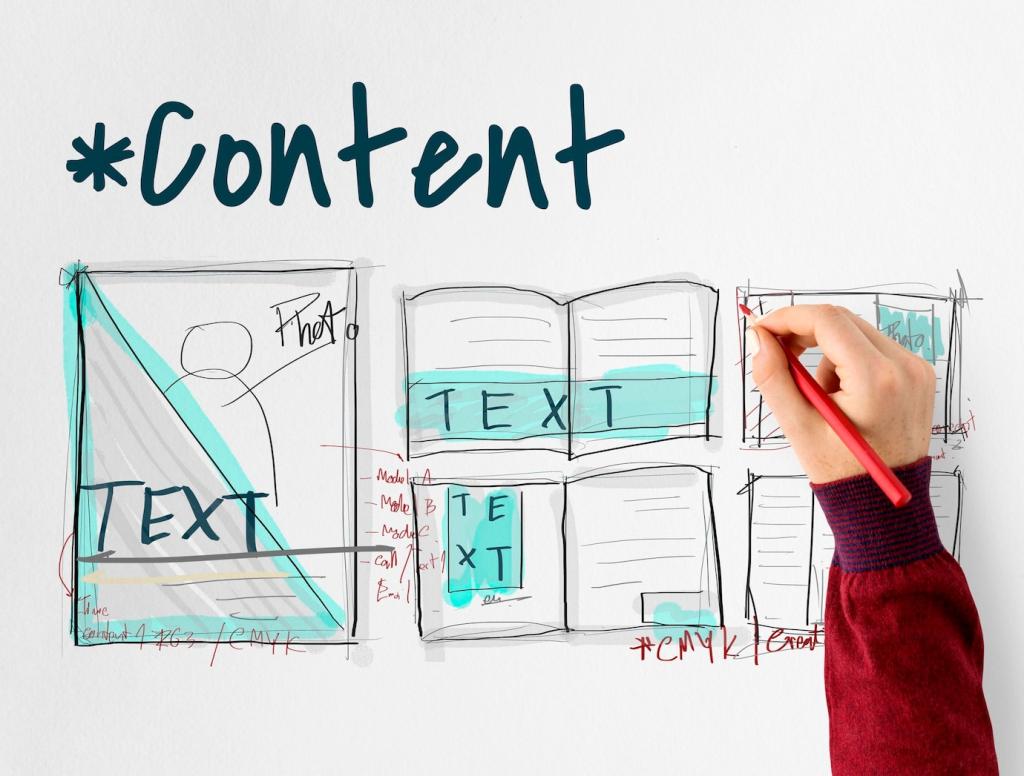
Designing Visual Aids for Better Engagement

Chosen theme: Designing Visual Aids for Better Engagement. Welcome to a friendly, practical space where we translate complex ideas into clear visuals that resonate. Explore stories, frameworks, and real-world tips to craft visual aids that inform, persuade, and inspire. Share your examples, subscribe for fresh ideas, and join the conversation as we build more engaging visuals together.

Understand Your Audience’s Visual Mindset

Reduce cognitive load by simplifying layouts, limiting competing elements, and highlighting one message per frame. I once watched a team halve slide text and triple audience questions, simply by letting the central insight breathe and supporting it with one decisive chart.

Lay Out Meaning with Hierarchy

Start with a dominant headline, a primary visual anchor, and supportive details. Eye-tracking on a pitch slide showed wandering gazes until we enlarged the key number, brightened its card, and dimmed secondary metrics; comprehension immediately improved.

Lay Out Meaning with Hierarchy

Let whitespace speak. Crowded slides whisper uncertainty; roomy layouts project confidence and calm. By padding margins and spacing bullets consistently, a nonprofit report felt more credible, and donors spent longer reading the impact story that used to be overlooked.

Pick chart types that respect data honesty. We swapped a 3D pie for a clean bar chart and added direct labels; the audience finally saw the true differences, and the ensuing discussion focused on causes, not misread slices or visual distortions.

Choose the Right Visual Aid Format

Tell a Story Through Your Visuals

Open with a relatable problem, escalate with evidence, resolve with a clear action. A healthcare deck began with a patient story, introduced outcomes data, then landed on a focused pilot plan; the audience leaned forward rather than leaning back.

Tell a Story Through Your Visuals

Use relevant metaphors sparingly. A logistics team used a relay baton motif to explain handoffs; icons and transitions echoed the metaphor, making responsibilities memorable. Weeks later, teammates still referenced the baton when clarifying roles during standups.

Tell a Story Through Your Visuals

Emotion drives memory, but it must be used responsibly. A single impactful photo, paired with respectful context, invited empathy and action without manipulation. Invite readers to comment with examples of visuals that moved them for the right reasons.

Test, Measure, and Iterate

Create lightweight drafts and run hallway tests. We printed mini slides, asked observers to circle the first element they noticed, and timed comprehension. The findings guided a bolder headline and simplified legends that clarified meaning without extra words.

A Stack That Serves the Story

Choose tools for the story’s needs—quick sketching for ideation, vector tools for clarity, presentation software for flow. Keep export presets consistent, and invite teammates to share shortcuts that reduce busywork and expand time for stronger thinking.

Templates That Evolve, Not Fossilize

Start with flexible templates and update them with each learning. We retired three redundant layouts, added a data-callout style, and documented usage. Readers noticed steadier rhythm, and contributors felt freer to focus on content rather than reinventing structure.

Version Control for Visuals

Name files clearly, track changes, and annotate decisions. A simple changelog spared us from mystery slides appearing hours before a demo. Encourage teammates to comment directly on frames and subscribe to updates to keep collaboration transparent and efficient.
Lincompris
Privacy Overview

This website uses cookies so that we can provide you with the best user experience possible. Cookie information is stored in your browser and performs functions such as recognising you when you return to our website and helping our team to understand which sections of the website you find most interesting and useful.